Pastor Freed used this quote today in his blog, Jack’s Winning Words – “Lord, keep your arm around my shoulder and your hand over my mouth.” (Unknown)
Also today’s quote of the day from a site that I get a daily feed from had this quote – “To be careful with people and with words was a rare and beautiful thing.” (Benjamin Alire Sáenz)
Both contain great advice about watching what you say, or at least being more aware and careful about it.
Freed went on to write about his Swedish Uncle John admonishing a then sassy child to “Tyst med du!” which meant, “Be quiet!”, in Swedish.
Sáenz related a story that he had written about a child named Ari who’s father came back from the View Nam war a changed man, seemingly uncommunicative and very careful with his words. Ari came to appreciate his father’s careful choice of words when he did speak.
We should all be more careful about what we say, instead of just blurting out the first things that comes to mind. Maybe that is why we need the Lord to keep his hand over our mouths. Invariably, when I stifle the urge to blurt something out in reaction to an event or person, I quickly realize how inappropriate, or maybe even hurtful, it would have been to let that thought fly out of my mouth. Does that ever happen to you?
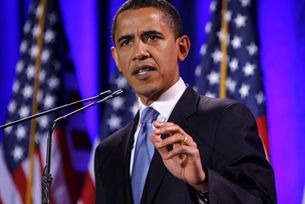
I have noticed the trait in some people to give thoughtful consideration to what they are about to say and the words that they will use. President Barack Obama was one of those people. If you watched him closely, you could actually see that he was considering the words to use when answering a question or making a statement. I suspect that some of that was his legal background.
Being careful about what you say, and about the words that you chose to say it, requires the discipline to stop and think before using your mouth. People may think of you as being deliberate and that is a good thing. Spontaneity is a good thing if you are cheering for a great play in sports; however, it can be a dangerous thing if you engage your mouth before engaging your brain in response to someone’s question or statement.
The book of Proverbs in the Bible is a rich source for advice about our words –
Proverbs 15: 1 “A gentle answer turns away wrath, but hard words stir up anger.”
Proverbs 15:4 “Gentle words bring life and health; a deceitful tongue crushes the spirit.”
Proverbs 18:20 “Words satisfy the soul as food satisfies the stomach; the right words on a person’s lips bring satisfaction.”

Start your day by adding the line from Jack’s Winning Words to your prayer and imagine throughout the day that the Lord has his hand on your mouth. Take time to think before you speak, and the Lord will remove his hand. Bring satisfaction from the words that you let slip during the day.


 Posted by Norm Werner
 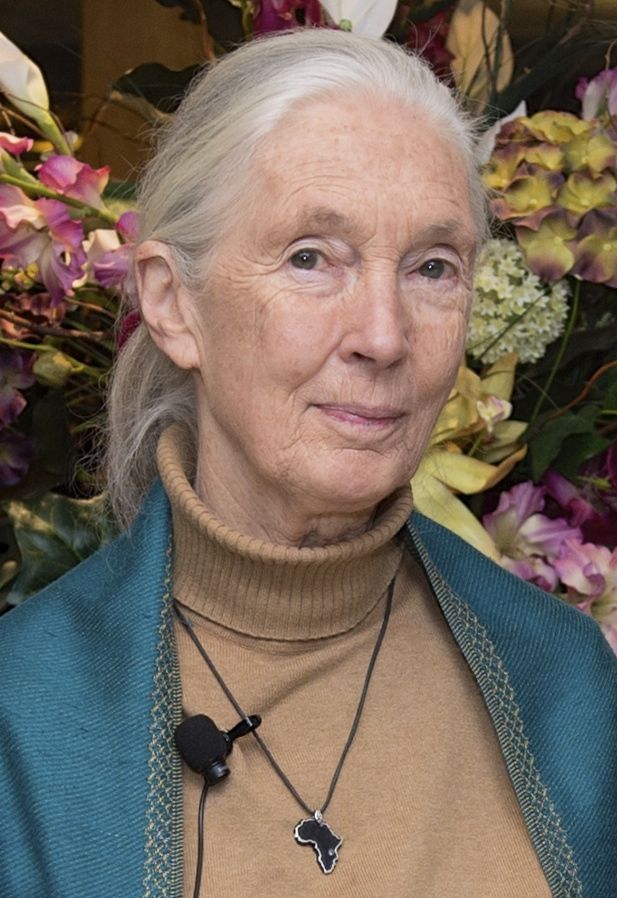 Of course, Goodall was speaking about her life-long work with chimpanzees. Over time Goodall became recognized as the “voice of the chimpanzees”, speaking on their behalf to try to get them protections and better treatment.
 knows…” In those cases, the speaker has actually usurped and perhaps distorted the thoughts and opinions of other. That happens a loty in politics these days as various speakers loudly proclaim toe be “speaking for all of us”.
 matter. Ask them what statistics they have (and from what source) to back up their assertion that their statement represents the sentiments of some portion (large or small) of the sentiments of the general population. Don’t accept the “I saw it on the Internet, so it must be true” defense of the stupid statements that you may hear. Recent news has shown that unscrupulous actors trying to influence you towards some belief may plant much of what you may see on the Internet there. Certainly almost nothing on the Internet has been subjected to verification of any level of rigor.
 have your own opinion, based upon your own moral values and don’t just go along with the party line when it doesn’t fit those values.
 So, resolve to speak for yourself and not to let others usurp that role. If you don’t, you might as well sit over in the corner and eat your banana.
 if you choose to use upbeat and positive words to describe the things and people around you it will reinforce your positive attitude about life. If your words are harsh or critical, things will look a lot darker around you. People might start avoiding you, because they don’t want to be dragged down by your words or they may approach you in an argumentative way, because they find your words to be offensive or hurtful.
 the sad donkey in Winnie the Pooh or as the happy, dancing Snoopy in the Peanuts comic. Which would you rather be perceived to be?
 NormsMilfordBlog