“It’s hard for me to answer a question from someone who really doesn’t care about the answer.” (Charles Grodin)
That was today’s quote in the Jack’s Winning Words blog. Jack when on to relate a story about a remembering seeing a woman in his congregation elbowing her husband to keep him awake during the sermon.

I’ve written here a few times about being a good listener. It is a mark of respect for the speaker that you pay attention to what they are saying and not spend that time thinking about how you will be replying. Grodin’s quote points out a second benefit from paying attention – you can figure out from how the speaker is talking where they are coming from and whether or not they really care about what your opinion is on the topic.
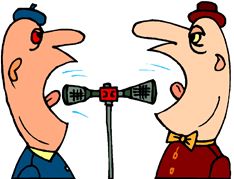
Showing respect for the speaker doesn’t mean that you are agreeing with their position. It merely means that you respect their right to have an opinion and to express it. Too many people these days don’t show even that level of respect; rather they shout over the speaker, hoping to drown out the expression of the opinion that they disagree with.
With so much misinformation and disinformation circulating in our society it is sometimes hard to have a civil discourse on controversial topics. When one bases their point of view on things upon the base of bad information or untruths it is hard to discuss it with them and the conversation quickly turns into arguments about the source of their “facts” upon which they base their beliefs. The old hack, “I saw it on the Internet, so it must be true” is the only base that many have to stand upon.
An even more disturbing trend of late is the rather fluid definition of the term “facts”. Over the past year or two we have seen many TV interviews in which it was asserted that facts aren’t facts or that there are “alternative facts”. The term “facts” has morphed from describing an accepted absolute into describing a belief, subject to change. I guess the relative term there is the word accepted. If one doesn’t accept a “fact”, there is a tendency to make up an alternative and call it a fact, when really it is a belief or point of view.
That leads me back to a variation on Grodin’s quote – It’s hard to argue the truth of a statement with someone who doesn’t care about the truth.
If one is not paying attention to what is being said in a conversation it is relatively easy to be drawn into an argument about the wrong thing. Instead of arguing against a belief one could inquire about the basis for that belief – the facts upon which it is based. It is not enough to just say, “That’s not true.” Remember that the person speaking believes it is true, but that they may have never taken the time to question the source of that belief. A discussion about the basis for that belief may be more productive than just a direct challenge to it. Of nothing else, maybe you can plant a seed of doubt in their mind about the basis of their opinion.
So, show respect for the right of others to have and to express an opinion. You may not agree with it and perhaps your knee-jerk reaction is to talk over it or to quickly move from conversation mode into an argument about it. Don’t go there. If you are paying attention, you will realize the futility of arguing the point with that person. Better that you should add a note to your mental file about that person on their position on this topic – a topic perhaps to be avoided in the future. If that file gets too big, this may be a person to avoid in the future.
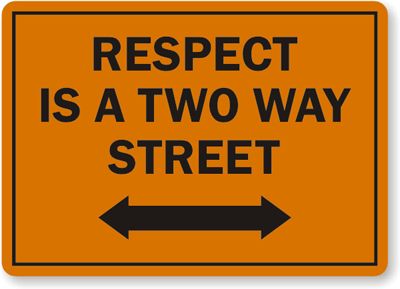
In the end, showing enough respect for the other person to understand where they are coming from also shows respect for yourself by stifling the knee-jerk reaction to argue with them. You just saved yourself a frustrating waste of time. Respect yourself.


 Posted by Norm Werner

 erroneous assumptions and conclusions by the intelligence community – essentially fake truths. The real truth later came out that there were no weapons of mass destruction found in Iraq. So, was that fake news? Not really. It was news fabricated out of false or bad information (fake truth) that was provided by normally reliable sources and embellished a bit by politicians eager to justify a decision that likely had already been made. The news media, always hungry for a good story, took it and ran with it.
 intelligence reports and more of them are bound to come out as the truth struggles to the surface. It is not hard to imagine a bunch of Russian hackers (be they military, the intelligence community or civilians) deciding to see what they could do to influence the election or undermine our concept of democracy. It is also not hard to imagine that a contact within the political apparatus of any of the candidates would find a receptive ear to anything that might give them an advantage. After all, politics is not practiced to the highest of moral standards. However, it might prove to be as false as the weapons of mass destruction news to jump all the way to conclusions about collusion or conspiracy. Stupidity, yes. Poor judgement, most certainly. Self-serving, of course.
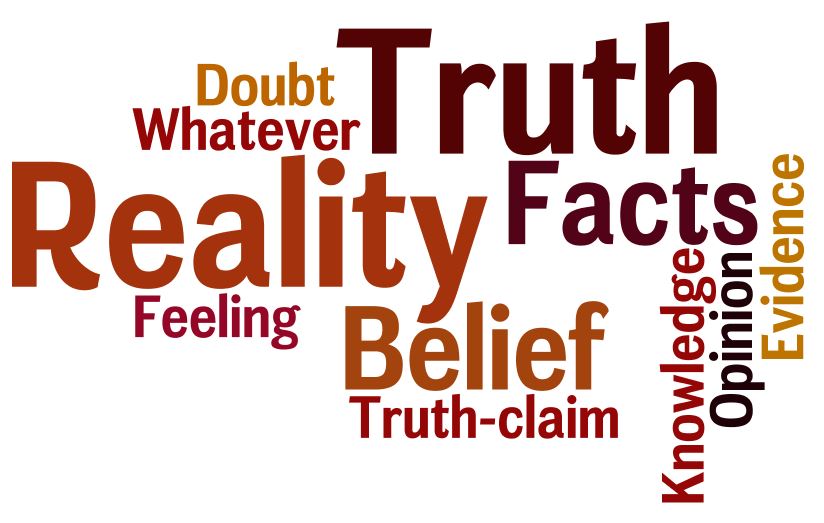 first two definitions before we form our beliefs about what the truth really was. The good news is that Buddha and William Shakespeare were both right and we will eventually see the truth come out. Let’s all hope that Jack Nicholson was wrong in the movie
 NormsMilfordBlog